Career Progression Hub
London, UK

Choosing a degree is one of the first major decisions many people make about their future — often with very little information about where that choice might lead.
Every week, through my work and personal life, I meet people whose jobs have little to do with what they studied.
Friends who studied psychology now working in operations.
Colleagues with business degrees in technical environments.
Senior professionals who pivoted into roles they didn’t know existed when they chose their degree.
This is common. It’s not a failure.
When I ask why they chose their degree, the answers are familiar:
- I didn’t know what else to do next.
- I thought this degree would lead to that job.
- I liked the subject but didn’t understand the careers behind it.
These decisions weren’t careless.
They were made with limited information and a lot of pressure to choose.
If you’re exploring options right now, start here: Education & Pathways
Why So Many Degree Choices Are Made Without Clarity
Most people are encouraged to think outward first:
- What can I study?
- What jobs are available?
- What sounds respectable?
- What should I do next?
What’s often missing is inward reflection:
- What motivates me?
- What kind of problems do I enjoy solving?
- How do I want my day-to-day work to feel?
- What kind of lifestyle matters to me?
Without this, education becomes a default step rather than a deliberate choice.
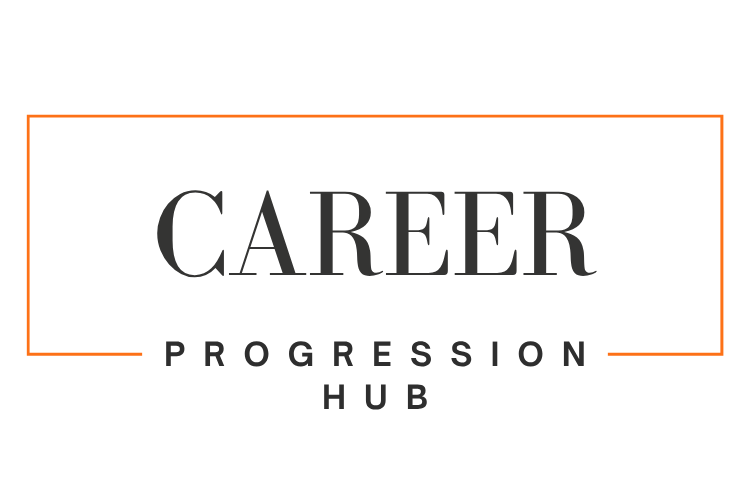
Helpful next step: If you want a simple way to clarify what matters to you before you commit, download the Career Clarity Checklist.
You can also explore broader decision-making guidance here: Choosing Your Career.
Most People Don’t Know What the Jobs Actually Involve
Universities talk about “career opportunities.”
They rarely explain what the work looks like in practice.
Before choosing a degree many people do not reasearch:
- what a typical workday involves
- how stressful or repetitive the role can be
- what progression really looks like
- which skills matter beyond the first role
So when people later change direction, it’s not because they failed.
It’s because they finally gained information they didn’t have before.
How to Research A Degree Properly (Before Committing)
You don’t need certainty. You need better inputs.
1. Look at real jobs, not just courses
If you’re choosing a degree for a specific role, study job descriptions first.
- Check company career pages
- Read entry-level and mid-level roles
- Note required vs preferred qualifications
Ask:
- Is this degree required or just common?
- What skills appear repeatedly?
- Are there alternative routes?
2. Use LinkedIn as a reality check
Search for people doing the job you want.
- What did they study?
- How direct were their paths?
- How much variation do you see?
Often, you’ll find multiple degrees leading to the same role.
3. Talk to people doing the work
Speak to:
- alumni of the degree you’re considering
- people working in the roles you’re curious about
- professionals a few years ahead of you
Ask what surprised them, what they’d do differently, and what actually matters day to day.
4. Separate liking a subject from liking the work
Enjoying a topic doesn’t always mean enjoying the job.
- Do you like applying it in real situations?
- What does the work look like, not just the title?
- Are you drawn to the subject or the outcome it promises?
Both are valid — as long as you’re clear.
A degree still has value, even if you change direction
Working in a different field than what you studied isn’t failure.
A degree can still build:
- learning discipline
- analytical thinking
- communication skills
- confidence navigating complexity
What matters most is how intentionally you move forward.
The Real Takeaway
You don’t need to know exactly where you’ll end up.
But you do need to research before you commit.
Think inward first.
Then research outward.
Changing direction later is normal.
Choosing blindly doesn’t have to be.